Prepping for a Kenyan Safari: What to Pack (and What to Leave at Home)
This post contains affiliate links. If you make a purchase from a link, I may earn a small commission (at no extra cost to you), which helps bloggers like me create more content like this for readers like you.
I'm heading back to Kenya in March 2026 with two group trips, and after watching what worked (and what didn't) during my first overlanding experience, I've got some thoughts to share on packing and preparing.
Hopefully this blog saves you from showing up with a hardshell suitcase and unrealistic expectations about looking cute in the bush. Because let’s be real—safaris are dirty, and the more mentally and physically prepared you are for what you expect, the more enjoyable your trip will be.
This list isn’t all-encompassing, and some of these items may not matter or be applicable to you. These are just my personal recommendations based on what I have experienced myself, read online, and been told by the safari pros in Kenya. If it’s something you’re only going to use one time or if you don’t have the budget to buy a bunch of new gear, see what you can borrow from friends and family members.
Ditch the Hardshell, Get a Duffel
First reality check: That roller bag suitcase you love? It’s not ideal for overlanding. It takes up space, doesn't squeeze into tight spots, and will make everyone on the trip side eye you when we're trying to Tetris luggage into the overland truck every other day.
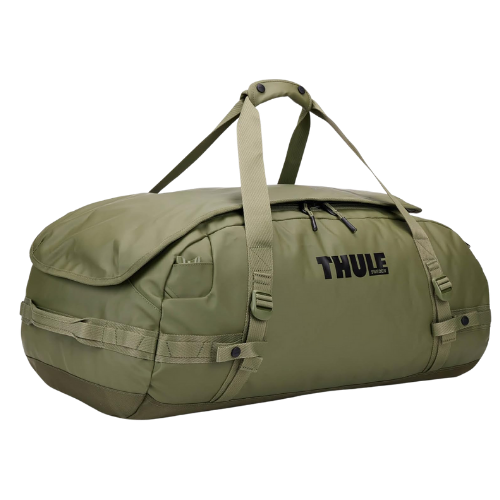
You need a soft-sided duffel bag or backpack. When your guide tells you there’s no room for your two giant suitcases, he means it. The Thule duffel is an ideal soft-sided bag that will fit in the truck.
And here's the thing about packing light for safari—it's not just practical, it's liberating. You're going to wear the same five outfits on rotation anyway. Embrace the simplicity.
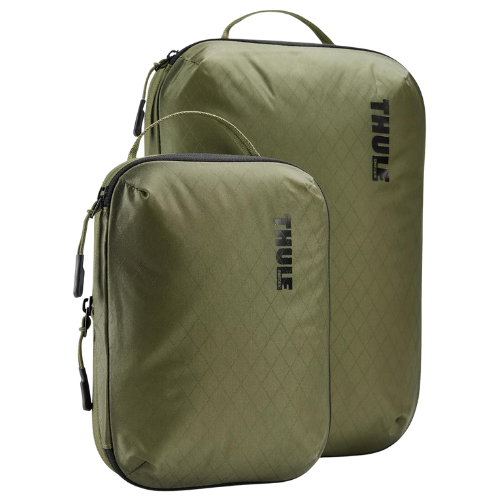
Packing cubes are essential to overlanding survival. When you're living out of a duffel bag in a tent, staying organized is survival. I learned this the hard way when I spent 20 minutes at 5am digging for my clothing in the dark while everyone else was already having breakfast. Also grab some zippered storage pouches for keeping small items like chargers, medications, and toiletries from getting lost in the chaos.
A good toiletry case that actually fits in a duffel bag is key to keeping all your bathroom necessities organized.
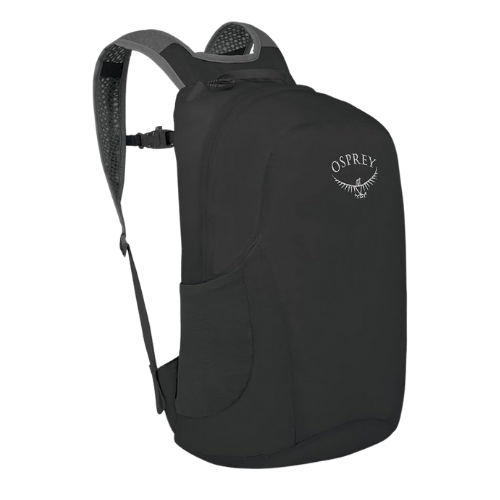
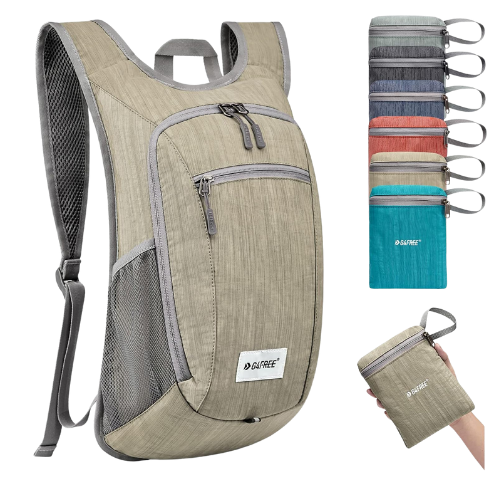
For day trips and game drives, grab a collapsible daypack that can hold your camera, water bottle, and an abundance of sunscreen that you WILL need.
What to Wear
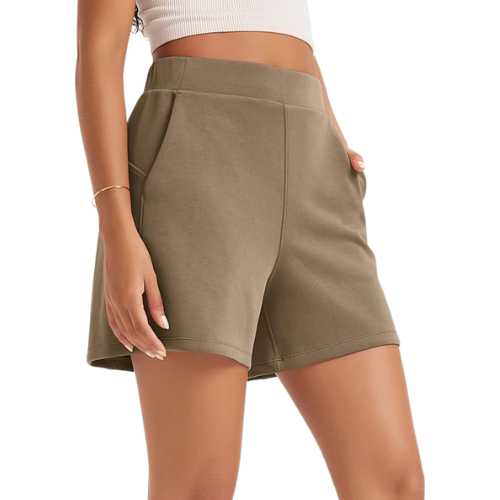
When it comes to an overlanding wardobe, stay practical. Despite what Instagram might portray, it’s important to stay comfortable and protected from elements and bugs while in the bush, and you won’t have a place to wear half of those cute safari outfits (for real, I had so many unworn outfits that I wished I hadn’t packed). The key is to plan out a variety of matchable pieces that are light, quick-drying, and can be easily layered. Practicality is key on safari.
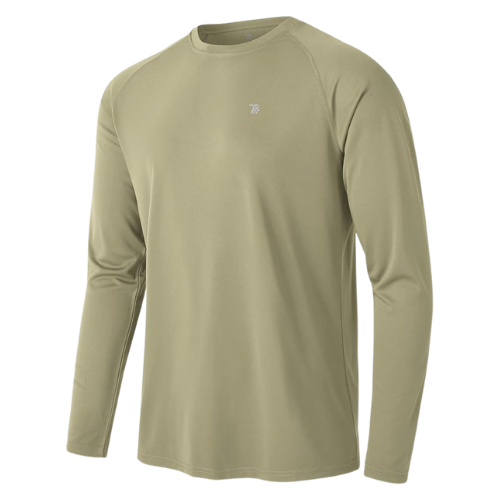
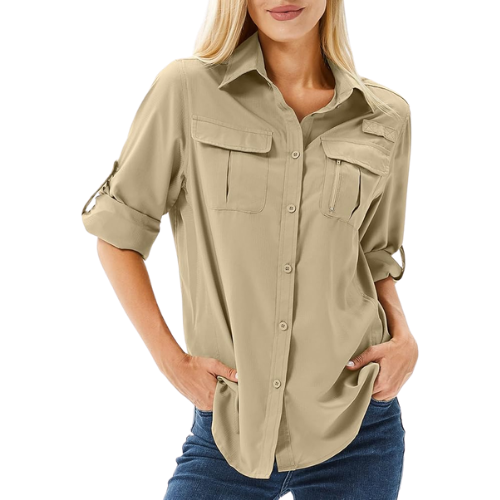
Skip the dark colors. Mosquitoes think your black t-shirt is a cozy hiding spot, and the tsetse fly has a weird attraction to blue. Stick with neutrals—khaki, tan, olive green. You're going for "blends into the landscape," not "fashion statement."
Layer everything. Early morning game drives can be chilly (yes, in Africa), and by noon you'll be sweating through everything. Pack:
Long-sleeve UPF shirts for sun protection
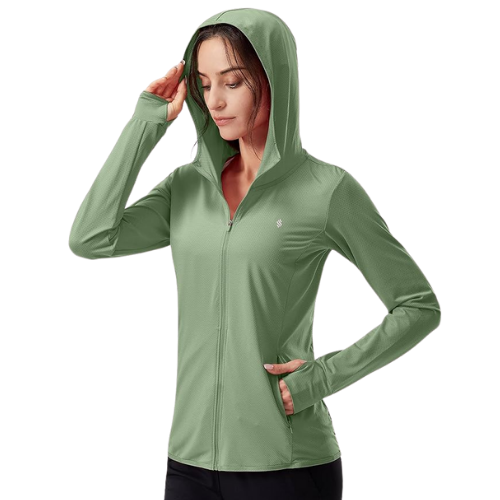
Lightweight hoodie for chilly mornings
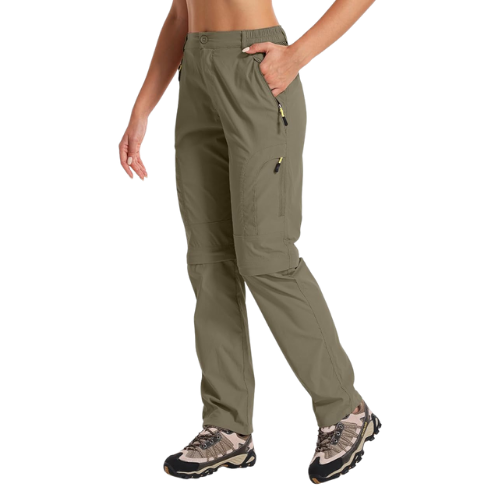
Zip-off cargo pants (shorts and pants in one—genius)
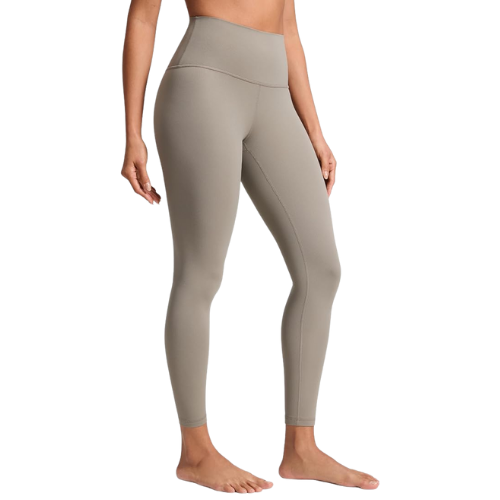
Leggings that dry overnight when you hand-wash them
Travel pajamas that you can wear in “public” around camp
Bring clothes that dry quickly. You will run out of clean clothes if you pack light. You might hand-wash things in a bucket or sink. This is overlanding, not the Four Seasons. In our podcast episode with Justin (our Kenya photographer), he specifically mentioned this—think clothes you can literally shower in, then hang up to dry overnight.
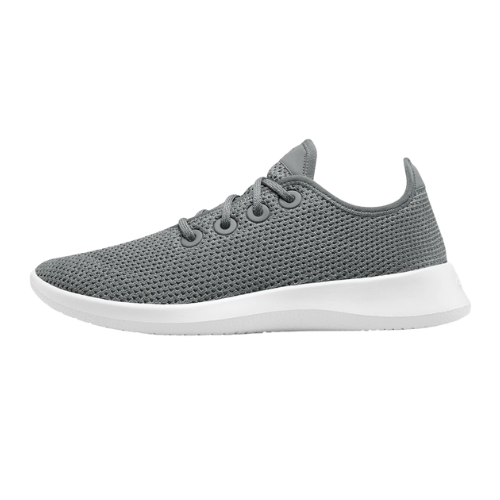
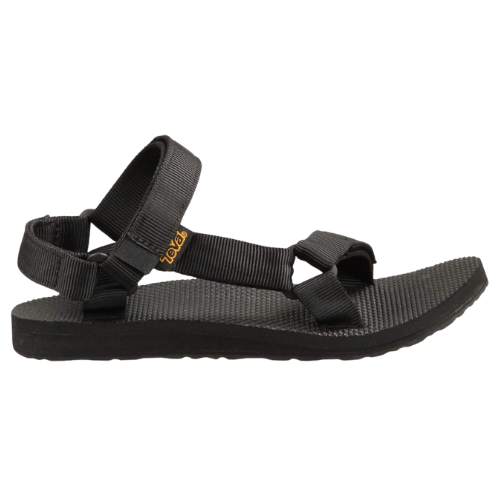
Footwear: You need comfortable sneakers for walking around camp and sandals for when your feet need to breathe. Ideally focus on footwear that is easily washable in case there’s mud. Skip the fancy hiking boots—they're hot, heavy, and overkill. Our safaris are generally done in a vehicle, so most of the walking you’ll be doing is around the camp.
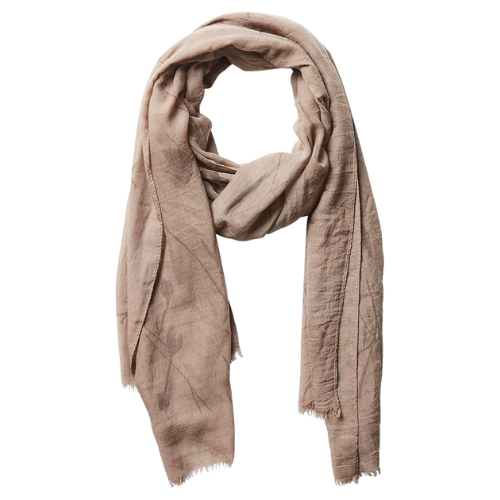
Don't forget a scarf or buff to protect your neck from sun and dust, and a wide-brimmed hat. Sunburns on safari are brutal, and remember that Kenya is close to the equator.



Electronics That Actually Matter
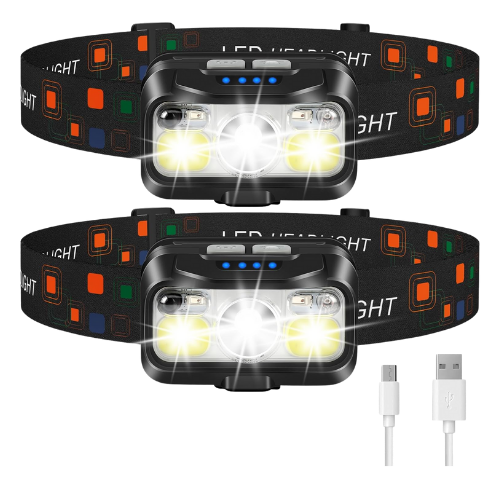
Headlamp: Get two of them. One to use, one to charge. When you're stumbling to the bathroom at 3am in pitch-black Africa with animals potentially wandering around or packing up your tent at sunrise, you'll be very grateful for the lighting.
Battery packs: Bring at least one good one, maybe two. Electricity, although available, isn't always reliable at campsites, and you don't want to miss charging your phone because twelve other people are sharing one outlet. While we have charging ports in our overlanding truck, a battery pack is always good to have for long travel days too.
Adapters and converters: Kenya uses Type G plugs. Grab a universal adapter, and if you're bringing high-wattage devices, you'll need a converter too.
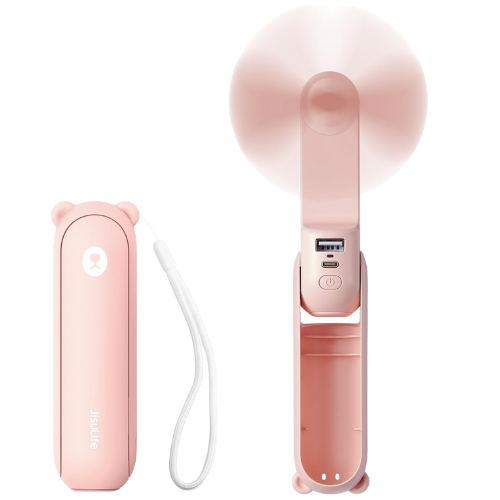
Fans: March in Kenya can get hot. A portable fan for game drives and a small rechargable tent fan will make sleeping approximately 1000% more bearable. Trust me on this.
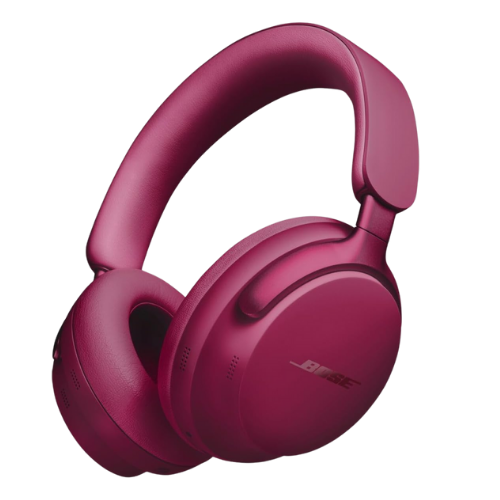
Headphones: Bring good noise-canceling headphones for the long flights and truck rides. Whether it's AirPods or Bose, you'll want something to block out the world during those marathon travel days.
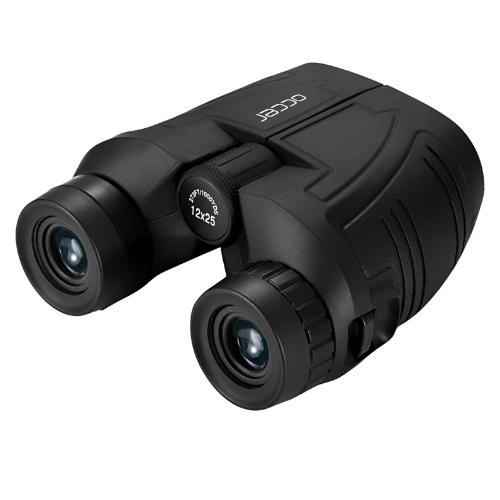
Binoculars: Yes, you need actual binoculars for those distant animal encounters. Borrowing someone else’s pair for three seconds while a leopard walks by isn't the move. They don’t need to be fancy, so just focus on getting something that takes up minimal space in your bag.
The Camera Talk
Everyone wants to be a wildlife photographer on safari. But here's reality: unless you have a serious zoom lens (150-600mm minimum) and actually know how to use it in a moving vehicle, you're going to end up with 400 mediocre photos of zebra butts.
Justin will be on our safaris with his big boy lens, getting incredible shots and sharing them with our group. So here's my controversial take: just be present. Yeah, I know you’re going to be tempted to take a bunch of photos and videos on your phone, and it’s fine to get a few. But once you have a few photos to share with friends and family back home, try to watch the animals with your actual eyeballs instead of through a screen.
I brought my camera last time without investing in a ginormous lens, and I got a bunch of okay photos I really never look at. This time around, I'm leaving it at home and saving my precious luggage space.
If you ARE a serious photographer, Justin says bring at least a 150-600mm zoom lens, extra memory cards (because you'll go trigger-happy and fill them up immediately), extra batteries, and make sure you understand your camera settings. Everything's moving fast—the truck, the animals, the light. You need to know your gear inside and out.
Sun Protection Is Non-Negotiable
The UV is brutal. Pack:
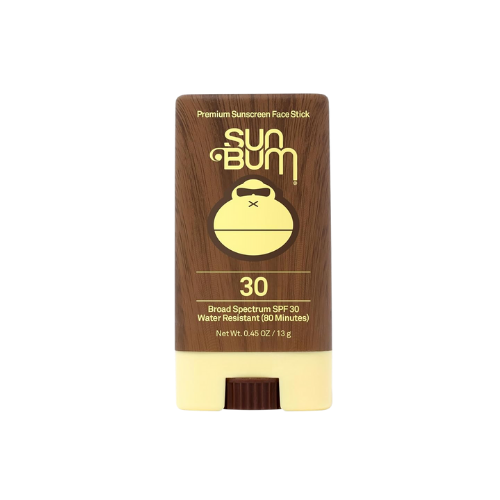
Face stick sunscreen for easy application on the go
Tinted face sunscreen instead of makeup
Sunscreen mist for quick touch-ups
SPF lip balm because chapped lips in the dust are misery
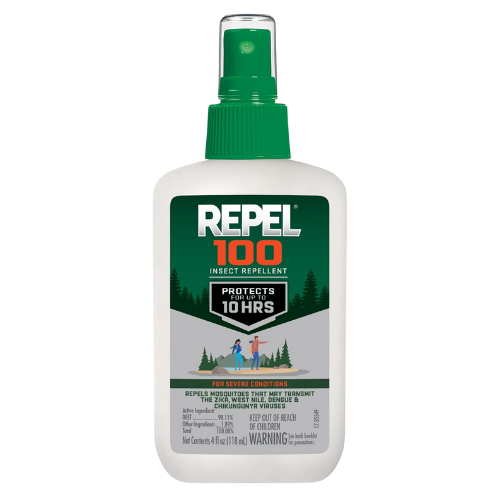
Bug spray: This is NOT the time to go DEET-free. Get the strong stuff. Also grab Permethrin spray and treat your clothes before you leave home. Let it dry completely, then pack those clothes.
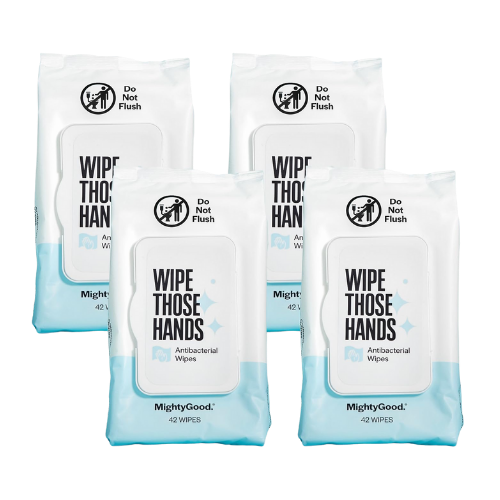
Wipes are everything. Baby wipes, face wipes, all the wipes. Sometimes the bathroom is a decent walk from your tent at night, and you'll be grateful for quick refresh options.
Laundry situation: Pack laundry sheets because yes, you will be hand-washing underwear in a sink. It's part of the overlanding charm and builds character.
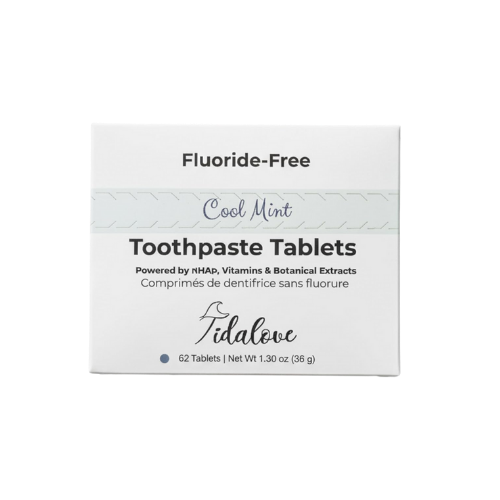
The rest: Toothpaste tablets so you don't run out mid-trip, deodorant that actually works in the heat, and some face serum to combat the dryness.
The Stuff Nobody Tells You About
Camping pillow: Many overlanding trips don't include pillows. Bring your own unless you want to sleep on a wadded-up jacket for 10 days.
Air mattress: While usually overlanding includes a mattress pad, if you’re in your 40s like me, you may prefer some extra cushion.
Sand Cloud towel: These things are magic—use them on the plane, as an extra blanket, for showering, swimming, whatever. They dry fast and pack small.
Clothesline: I take this with me on every single trip—it makes sink laundry a breeze.
Loop earplugs: Essential for sleeping in tents with snoring neighbors, blocking out truck noise, and surviving long plane rides when you don’t want music.
Filtered water bottle: Tap water in Kenya is generally not drinkable. Yeah, you can buy water at the store, but having a filtration water bottle on hand makes any water drinkable. Grayl is pricey but worth it if you’re a frequent international traveler, and there’s many cheaper options out there like Lifestraw if it doesn’t fit your budget.
Eye mask: Because sunrise comes early and tent walls aren't exactly blackout curtains.
SheeWee: I'm just going to say it—sometimes you don't want to trek to the bathroom in the middle of the night when there are animals wandering around. This is a game changer. Pro tip: practice in the shower before your trip, and thank me later.
Games for downtime: You'll have hours around the campfire and in the truck during long drives. Bring compact card games or travel-size board games to keep everyone entertained. Some of my best memories from Kenya were playing ridiculous games with the group after dinner or on the road.
Meds and Snacks
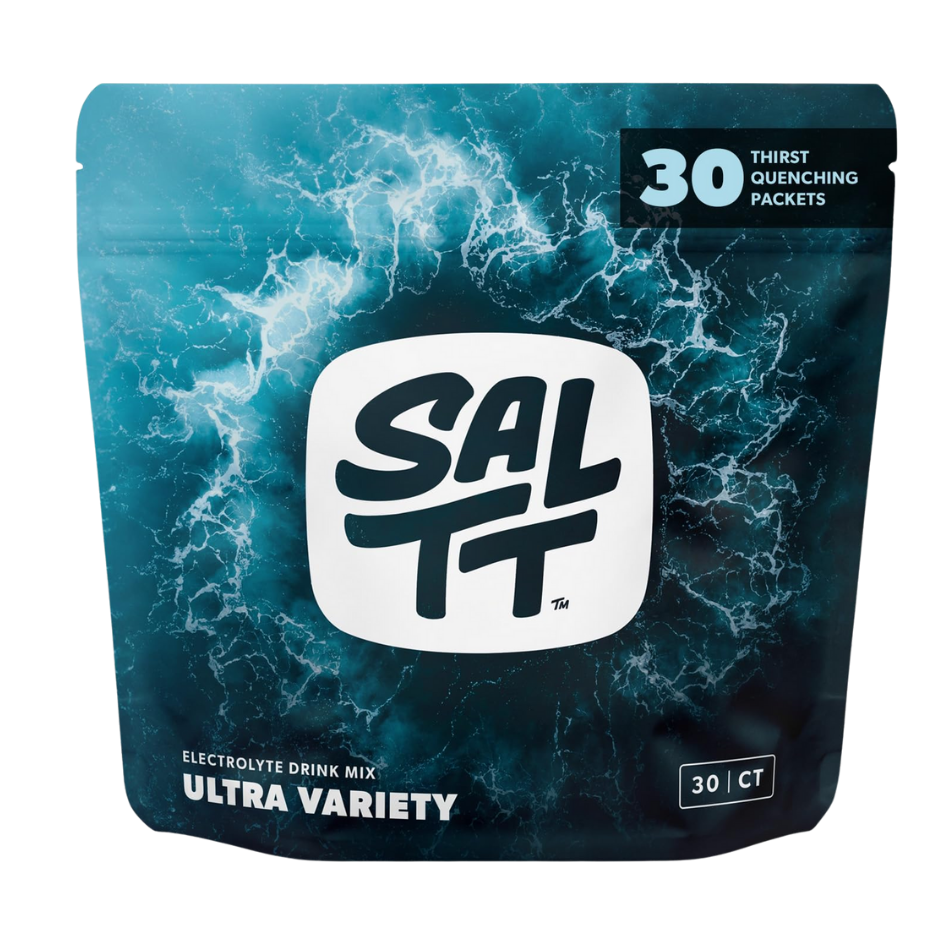
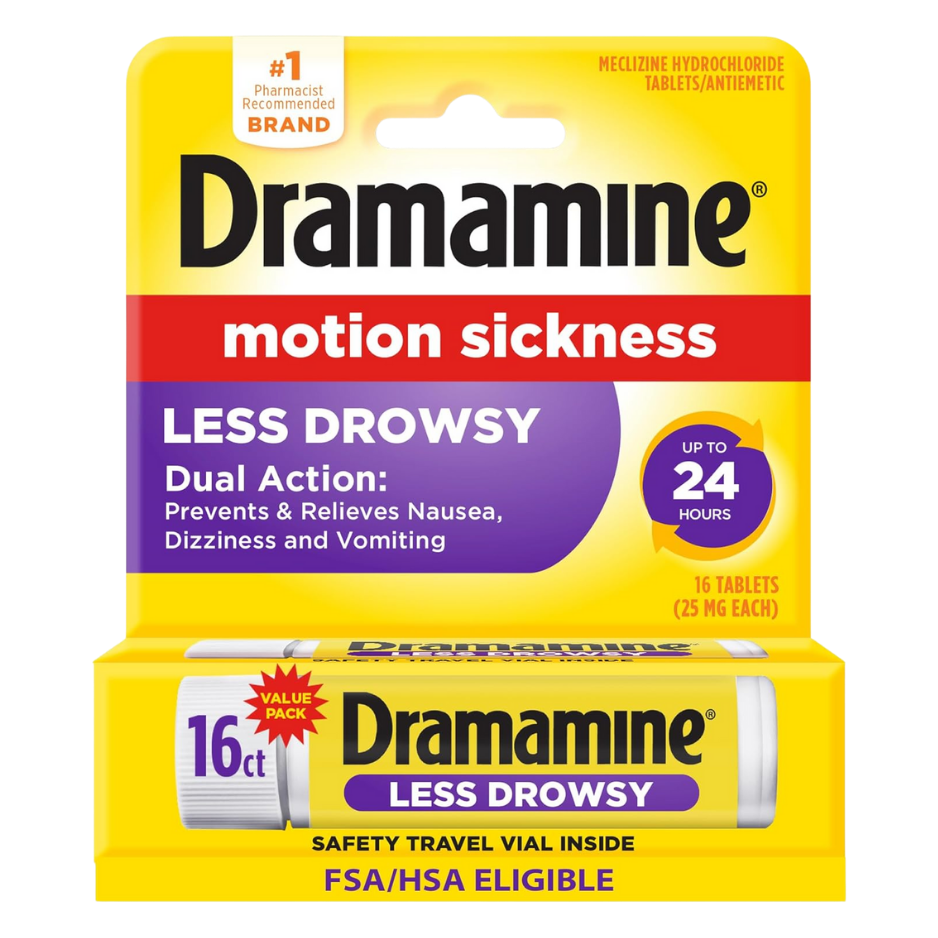
Pack a pill organizer with all your over-the-counter essentials:
And snacks. Bring protein bars, meat sticks, whatever keeps you going between meals. While we do several grocery store stops for supplies (and beverages), safari schedules don't always align with your stomach's timeline. Our camp chefs make incredible food but you'll still probably want snacks for the trip.


What to Leave at Home
Your entire makeup collection—I promise it won’t matter
Hair dryer (electricity is unreliable anyway, and humidity will ruin your hair anyway)
Curling iron (if these things are important, see if people in the group can coordinate bringing a few and share)
More than one pair of shoes per category
Expensive jewelry
White clothing (it'll be brown by day two)
Your precious hardshell suitcase
Anything you don’t want covered in dust (it’ll be everywhere by day 10)
Expectations of Instagram-worthy outfits 24/7
The Bottom Line
Safari isn't about looking cute in photos—though if you follow these guidelines and plan ahead, you'll look reasonably put-together while being practical. It's about showing up prepared to experience something incredible without fighting with inadequate gear or inappropriate clothing.
The overlanding experience means you're pitching tents, helping with dishes, cooking with the chefs, sitting around bonfires at night. You're living in community for 10 days. Pack for that reality, not for the luxury lodge fantasy.
Ready to join us in Kenya? We've got two trips heading out in March—one full overlanding experience and one with upgraded accommodations. Either way, you're getting the real safari experience, complete with Justin's wildlife photography expertise and possibly karaoke in a Kenyan matatu. Check out the details here.
See you on the savannah. Don't forget the DEET. ✌🏻