From Tokyo to Madagascar: A Flavor Expert's Top Culinary Destinations
What happens when you spend your life exploring the world through its flavors? You develop opinions—strong ones. I recently sat down with Emmanuel Laroche, author of A Taste of Madagascar and host of Flavors Unknown podcast, to talk about the destinations that have shaped his palate and changed his perspective on food, culture, and travel. Here are his top picks (plus a few of my own) for where to go when you want food to be more than just fuel and instead be the whole point of the journey.
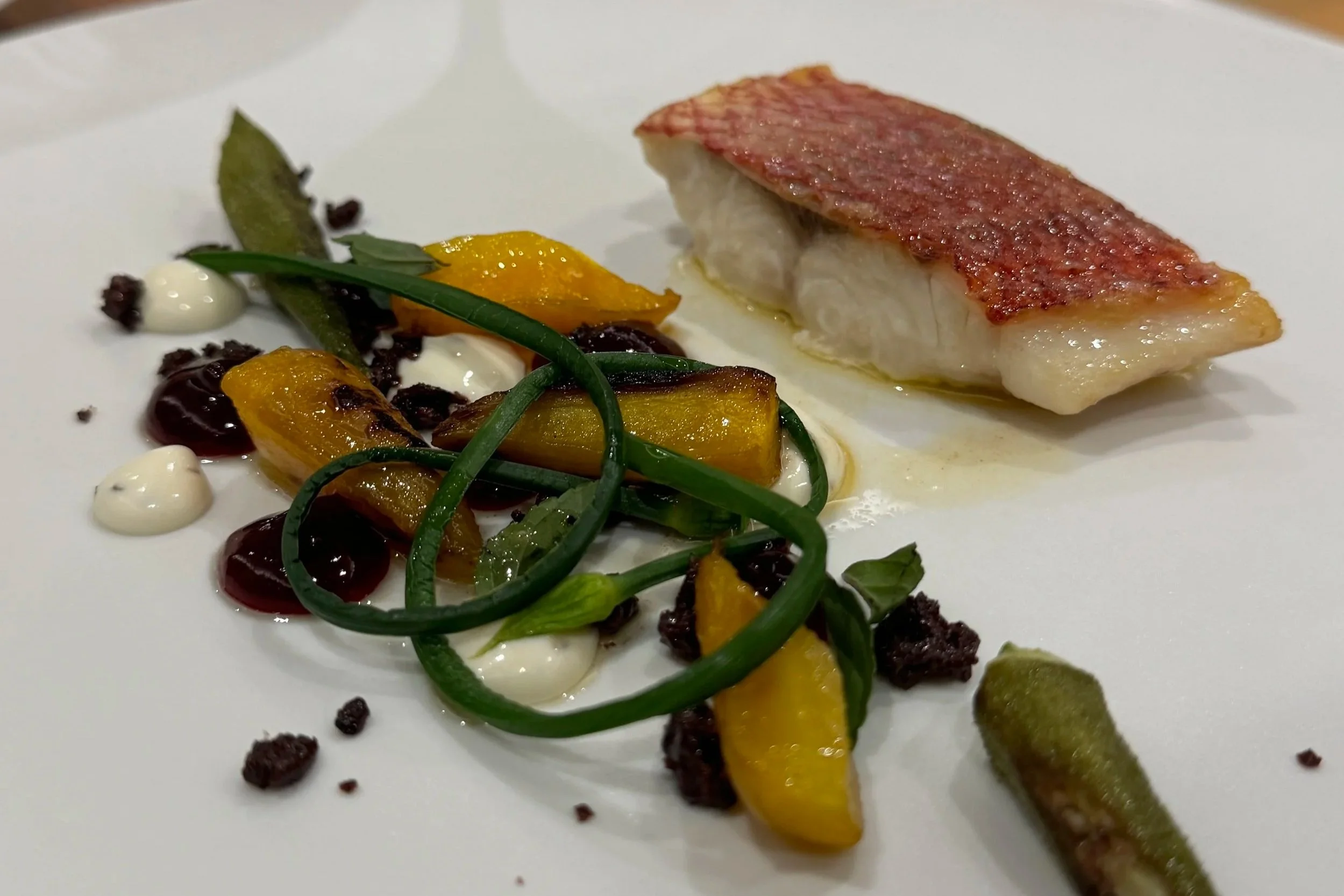
Just one of many spectacular meals in Tokyo
1. Tokyo, Japan: Where Sushi Becomes Religion
I asked Emmanuel on the podcast, “If you could have dinner anywhere in the world right now, not for the location, but for the food itself, where would you go, and what would you eat?”
His response: "No hesitation. I'm taking the flight to Japan, and I'm going to Tokyo. The sushi over there is no comparison with what we can taste here in the US."
When a French flavor expert who's tasted ingredients across six continents tells you the sushi in Tokyo is unmatched, you listen.
Why Emmanuel loves it: Emmanuel describes Tokyo as the place where technique, tradition, and ingredient quality converge in ways that simply don't happen anywhere else. The fish is fresher, the rice is prepared with an almost spiritual precision, and the chefs have spent decades mastering their craft.
But it's not just about fine dining. Emmanuel points out that Tokyo offers incredible food at every price point—from the $300 omakase experience at a tiny counter with a master chef, to the conveyor belt sushi spots where you can eat exceptionally well for under $20.
What to eat: Start with traditional nigiri at a local sushi-ya, try the ramen (yes, even though it's everywhere, it's different here), and don't skip the convenience store onigiri—it's shockingly good.
My take: I couldn't agree more. I went to Japan for the first time in 2024, and I don't think I had a single bad meal. Tokyo is one of those places where you can close your eyes, point to something on a menu, and trust that it's going to be excellent.
Want to taste it for yourself? Join the waitlist for our Japan trip.
2. Osaka, Japan: Street Food Heaven
Why Emmanuel loves it: "The street food in Japan is amazing. We knew about the sushi and ramen, but street food was really amazing."
While Tokyo gets the fine dining glory, Osaka is where Japan lets its hair down and gets delicious in the streets. Emmanuel discovered Osaka's street food scene during a dad-son trip with his youngest—one of those travel experiences that becomes a core memory.
Osaka is famous for takoyaki (octopus balls), okonomiyaki (savory pancakes), and kushikatsu (deep-fried skewers), but the real magic is in wandering through neighborhoods like Dotonbori and letting the smells guide you. Every stall, every tiny shop, every pop-up vendor is serving something that will make you question why you ever thought street food was just cheap eats.
What to eat: Takoyaki from a street vendor (watch them flip those balls with chopsticks at lightning speed), okonomiyaki at a local spot where you cook it yourself on the table grill, and anything from the standing bars in the Shinsekai district.
Emmanuel's insight: "It was probably one of our best trips together. I discovered the street food from Japan that we knew about, but experiencing it in person was completely different."
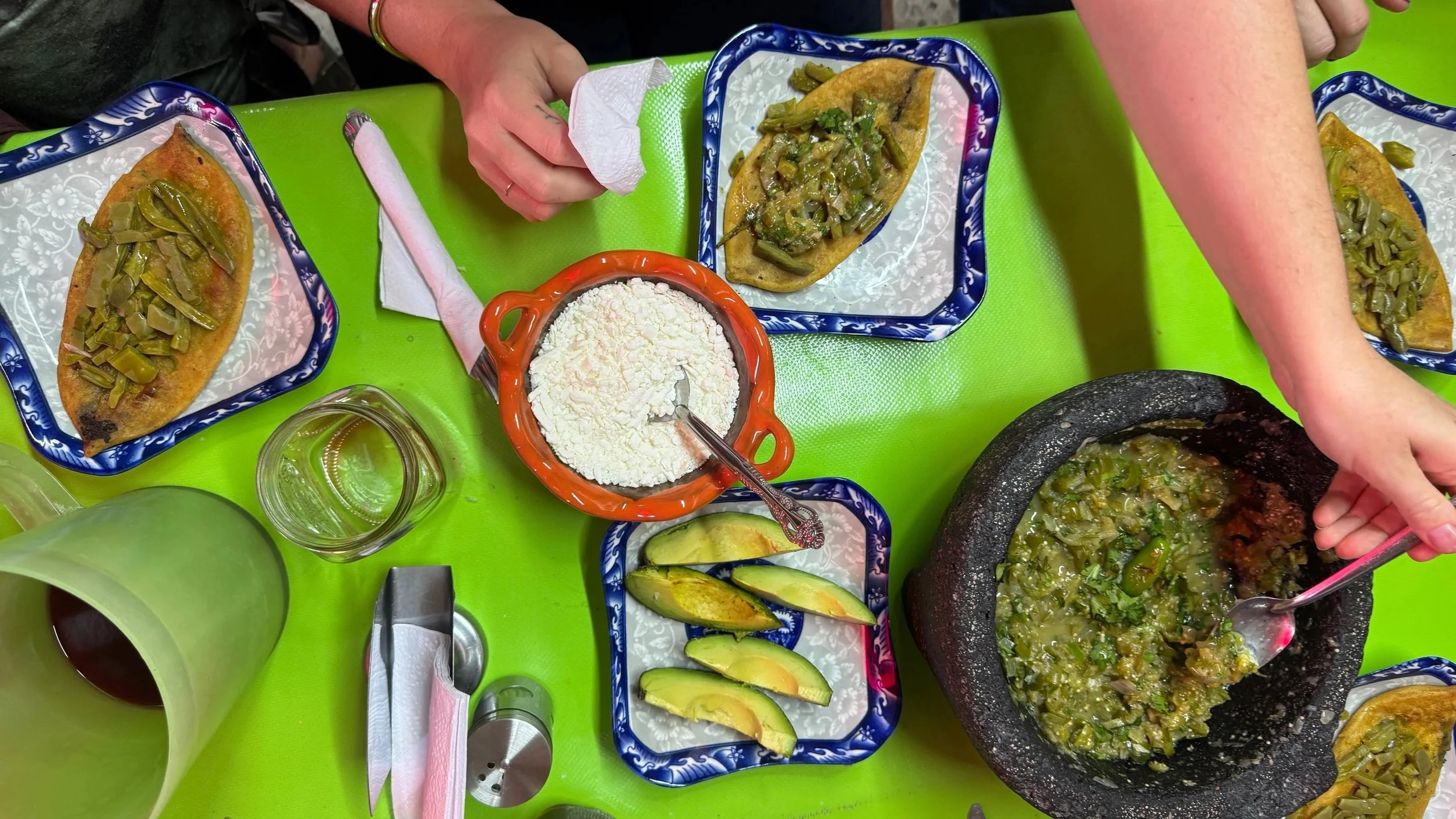
Enjoying some delicious authentic cuisine in CDMX
3. Mexico City, Mexico: Authentic Cuisine That Stops You in Your Tracks
Why Emmanuel loves it: "I just came back from Mexico City, and for me, it's another fantastic food destination. I close my eyes and I'm like, 'a tostada'—yes, I'm going for that tonight."
Emmanuel lights up when talking about Mexico City. It's one of those places where the food is so deeply woven into the culture that you can't separate the two—and you shouldn't try. From street corner taquerías to world-renowned restaurants like Pujol, Mexico City offers layers upon layers of culinary exploration.
But Emmanuel's real insider tip is to skip the $300 tasting menu at Pujol (unless you've got the time and budget) and head to El Molino Pujol instead—chef Enrique Olvera's more casual spot where you get the same philosophy and technique at a fraction of the price.
What to eat: Start with tacos al pastor from a street stand (the ones with the vertical spit and pineapple on top), try authentic mole at a traditional restaurant, hunt down the best tostadas you can find, and don't sleep on the tamales from vendors with the steaming pots.
My addition: I've been to Mexico City more times than I can count, and I'm actually bringing back my Mexico City tour as a culinary-focused trip because the food scene is just that good. This is a city where you need to come hungry and stay curious.
Learn more about one of my favorite Mexico City neighborhoods, Coyoacán.
This is what two hours of driving gets you in Ecuador. The landscapes just keep changing.
4. Madagascar: Where Food Becomes a Force for Good
Why Emmanuel loves it: "What I found there—from caviar production that feeds the island's poorest children to honey that's actually saving forests—moved me so deeply that I wrote an entire book about it."
This is where Emmanuel's story gets really interesting. He went to Madagascar on a business trip to source vanilla. It was intended to be a trip focused on one ingredient, one transaction, in and out. Instead, he discovered a culinary ecosystem so rich, so complex, and so tied to conservation and community survival that he couldn't leave without telling the world about it.
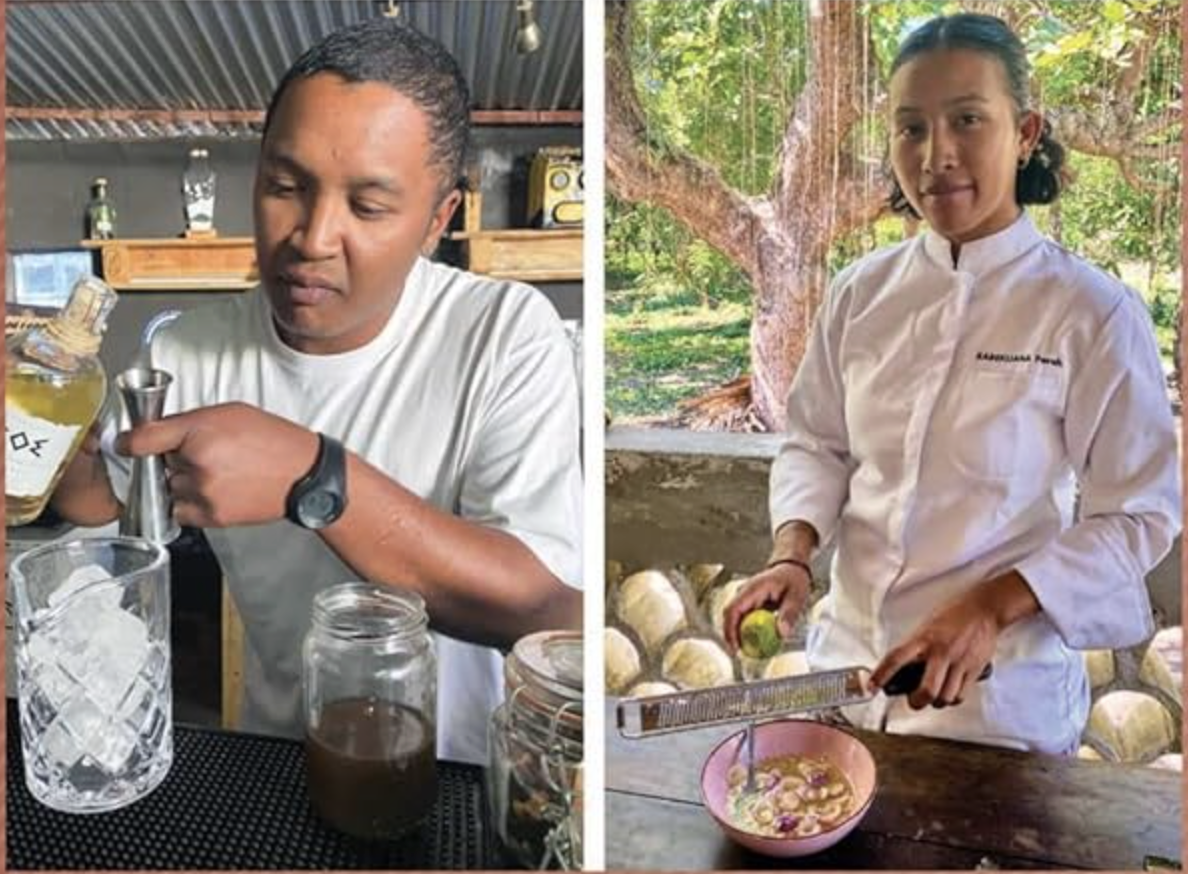
Madagascar isn't just about eating well (though you will). It's about understanding that every ingredient has a story, and in Madagascar, those stories involve sturgeon caviar that funds school lunch programs, honey production that keeps forests standing by giving farmers an alternative to charcoal burning, and wild pink peppercorns that support biodiversity.
What to eat: Seek out locally produced caviar (yes, really), try the wild black pepper and pink peppercorns, taste the vanilla in its home context, and don't miss ranonapango (or rana vola)—the national beverage made from scorched rice that Emmanuel describes as having "a taste of burnt rice caramel." It's not pretty, but it's authentically Malagasy.
Emmanuel's mission: "Appreciating the foods that are cultivated in Madagascar helps give back positively to one of the poorest communities in the world. It's about way more than food—it's about hope and change."
Why this matters: This is culinary tourism done right. Your food choices directly support communities working to protect forests, species, and traditions. You're not just eating—you're participating in conservation.
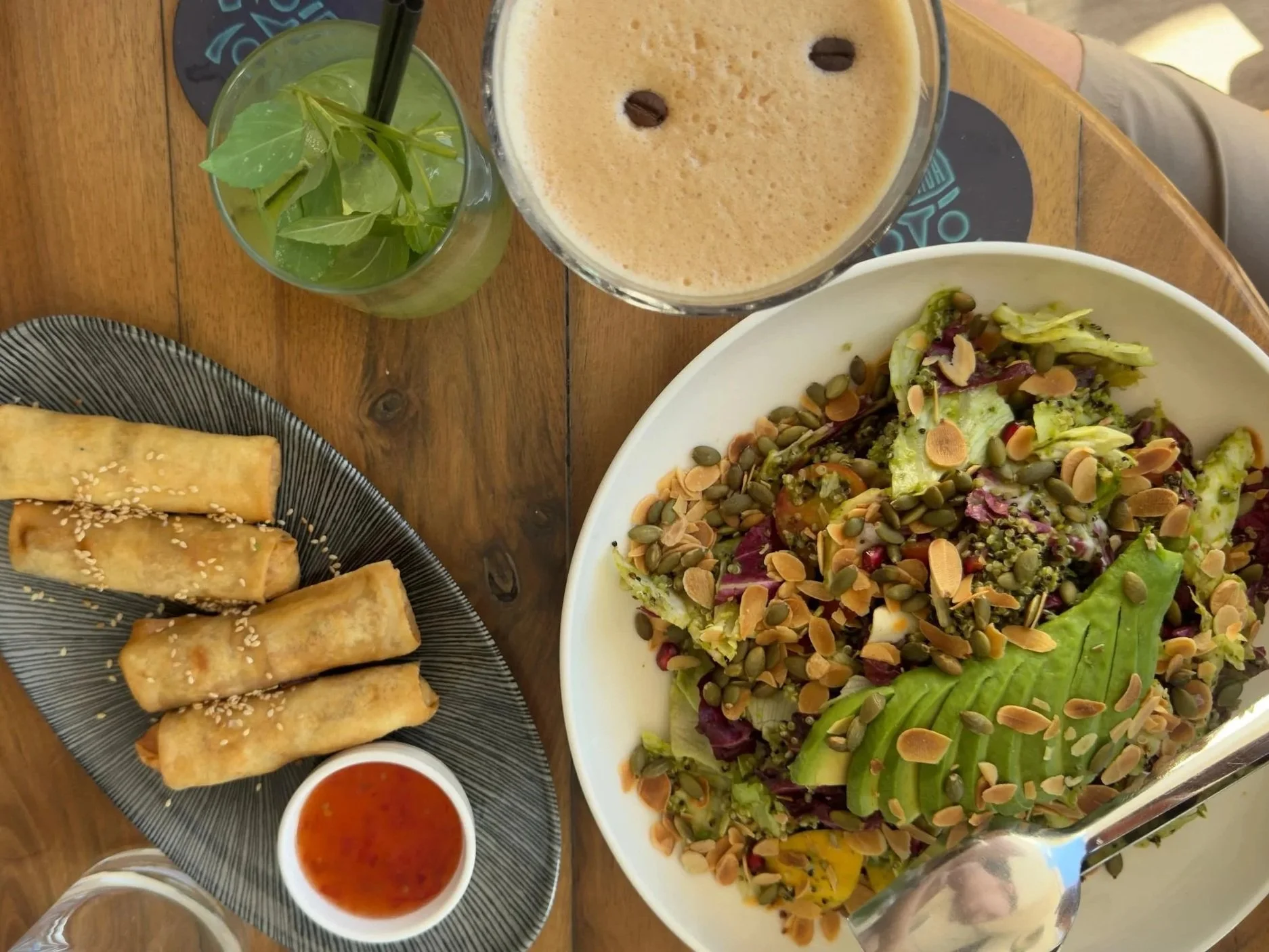
Eating my weight in Greek food on the islands
The Common Thread: Food as Connection
What I love about Emmanuel's perspective—and what came through so clearly in our conversation—is that he doesn't just taste ingredients. He follows them back to the people growing them, the ecosystems protecting them, and the traditions preserving them.
Whether it's sushi in Tokyo, street food in Osaka, tacos in Mexico City, honey in Madagascar, or tomatoes in Greece, the best culinary destinations aren't just about what's on the plate. They're about the stories behind it, the communities that depend on it, and the traditions that are being passed down through it.
So when you're planning your next trip, don't just think about where you want to go—think about what you want to taste, who grew it, and what your food choices will support while you're there.
Ready to Explore the World Through Food?
Listen to the full episode of Type 2 Travel, where we dive deep into Emmanuel’s Madagascar journey, why culinary tourism matters for conservation, and yes, the great Wisconsin cheese curds debate.
Read Emmanuel's book, A Taste of Madagascar: Culinary Riches of the Red Island
Interested in traveling with me to explore destinations through food? Check out my upcoming group trips where we go beyond the tourist traps and eat like locals—with guides who know where the real food stories are.
Follow Emmanuel's Flavor Adventures:
Podcast: Flavors Unknown
Instagram: @flavorsunknown
Website: Emmanuel Laroche
Related blogs: